
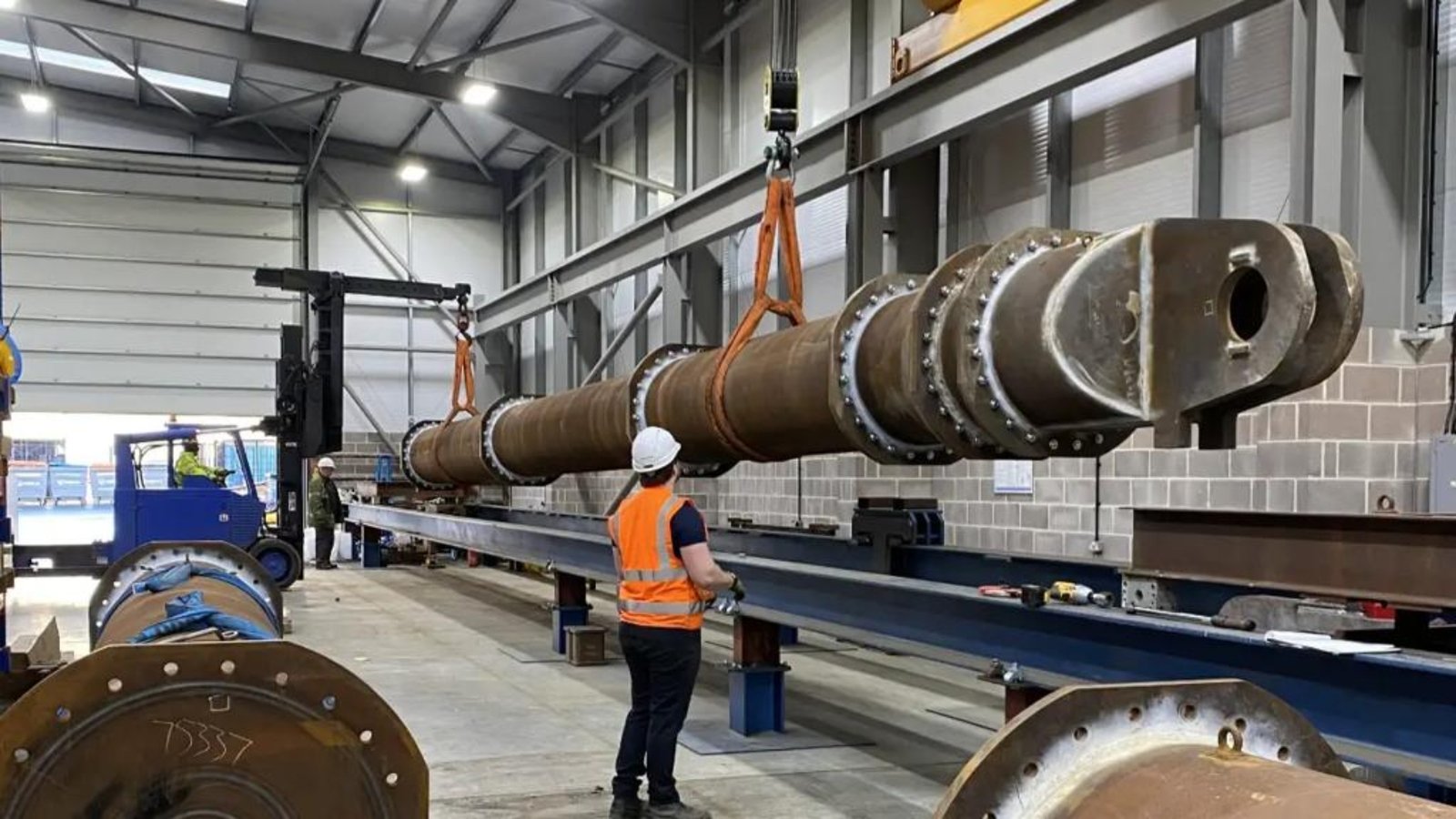
Why Load Testing and Certification Are Essential for Safe Lifting Operations
Introduction
Lifting equipment is used daily in industries such as manufacturing, construction, automotive, and heavy engineering. To ensure every lift is safe, equipment must be properly tested and certified before use. Load testing verifies that lifting equipment can safely handle its rated capacity and complies with applicable safety standards.
What Is Load Testing?
Load testing is the process of applying a specified test load to lifting equipment to confirm its strength, stability, and performance under working conditions. It helps identify defects before the equipment is put into service.
Why Is Load Testing Important?
Regular load testing helps to:
- Improve workplace safety
- Prevent lifting accidents
- Verify Safe Working Load (SWL)
- Reduce equipment failure
- Meet statutory and customer requirements
- Increase confidence in lifting operations
Equipment That Requires Load Testing
The following lifting equipment should be tested before use and at recommended inspection intervals:
- Wire Rope Slings
- Chain Slings
- Webbing Slings
- Lifting Beams
- Spreader Beams
- C Hooks
- Lifting Clamps
- Trolleys
- Custom Lifting Fixtures
Benefits of Certified Lifting Equipment
Using tested and certified lifting equipment offers several advantages:
- Safer lifting operations
- Better equipment reliability
- Compliance with industry standards
- Reduced downtime
- Improved operational efficiency
- Greater confidence for operators and inspectors
Choose a Trusted Manufacturer
At ER CAD SOLUTIONS, every lifting product is manufactured with a strong focus on safety, quality, and reliability. We provide load testing, inspection reports, and certification to ensure our lifting equipment performs safely in demanding industrial environments.
Conclusion
Load testing is more than a regulatory requirement—it’s a critical part of maintaining a safe workplace. By using tested and certified lifting equipment, businesses can protect employees, reduce operational risks, and ensure reliable performance every time a load is lifted.