How to Choose the Right Lifting Equipment for Industrial Applications (Complete Buying Guide)
Introduction
Selecting the right lifting equipment is one of the most important decisions in any industrial environment. Whether you are lifting machinery, steel structures, fabricated components, or heavy materials, using the correct lifting solution directly impacts workplace safety, productivity, and operational efficiency.
Improperly selected lifting equipment can lead to equipment damage, production downtime, costly repairs, and serious workplace accidents. That’s why understanding different lifting products and their applications is essential for every engineer, maintenance team, and procurement manager.
In this guide, we’ll explain how to choose the right lifting equipment for your application and the key factors you should consider before making a purchase.
What Is Lifting Equipment?
Lifting equipment refers to tools, accessories, and devices used to safely lift, move, and position heavy loads in industrial environments.
These products are commonly used in:
- Manufacturing Plants
- Automobile Industries
- Heavy Engineering
- Construction Sites
- Warehouses
- Steel Plants
- Power Plants
- Fabrication Workshops
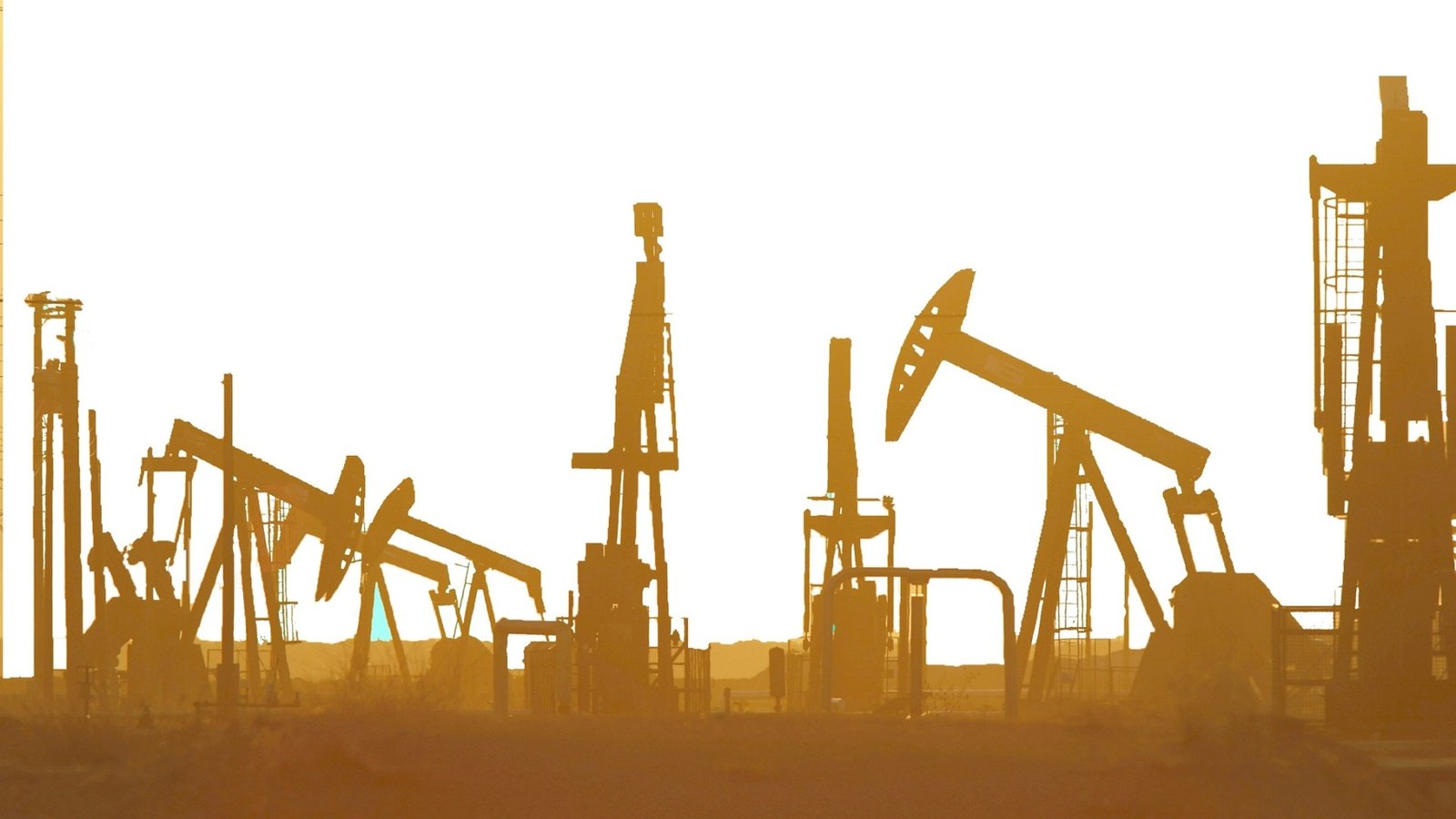
- Oil & Gas Industries
Why Choosing the Right Lifting Equipment Matters
Selecting suitable lifting equipment provides several advantages:
- Improves workplace safety
- Prevents lifting accidents
- Protects expensive machinery
- Reduces equipment damage
- Improves productivity
- Meets statutory safety regulations
- Extends equipment service life
- Reduces maintenance costs
Types of Industrial Lifting Equipment
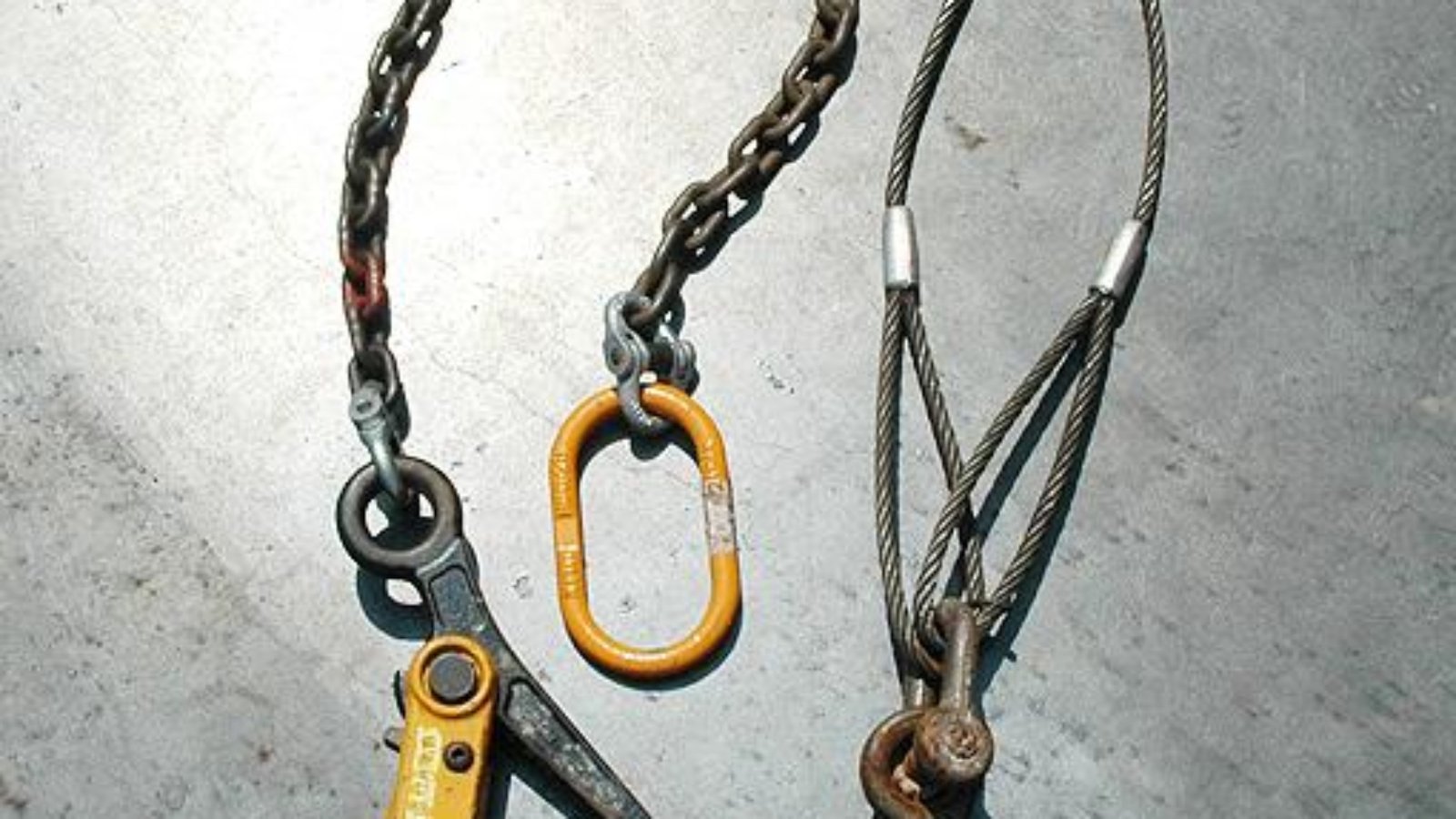
Wire Rope Slings
Wire rope slings are highly durable and suitable for lifting heavy industrial loads.
Best For
- Steel fabrication
- Heavy machinery
- Construction equipment
- Industrial manufacturing
Advantages
- High strength
- Excellent durability
- Resistant to abrasion
- Long service life
Chain Slings
Chain slings are ideal for harsh industrial environments where high temperatures or rough conditions are common.
Best For
- Foundries
- Heavy engineering
- Steel industries
- Mining operations
Advantages
- Heat resistant
- Highly durable
- Easy to inspect
- Long operational life
Webbing Slings
Webbing slings are manufactured using polyester and are suitable for lifting delicate or finished products.
Best For
- Painted equipment
- Finished machinery
- Glass handling
- Aluminum products
Advantages
- Lightweight
- Flexible
- Protects load surface
- Easy to handle
Polyester Lifting Belts
Polyester lifting belts provide safe lifting while protecting sensitive materials from scratches or dents.
Applications
- Industrial machinery
- Fabricated structures
- Automotive components
- Heavy equipment
Spreader Beams
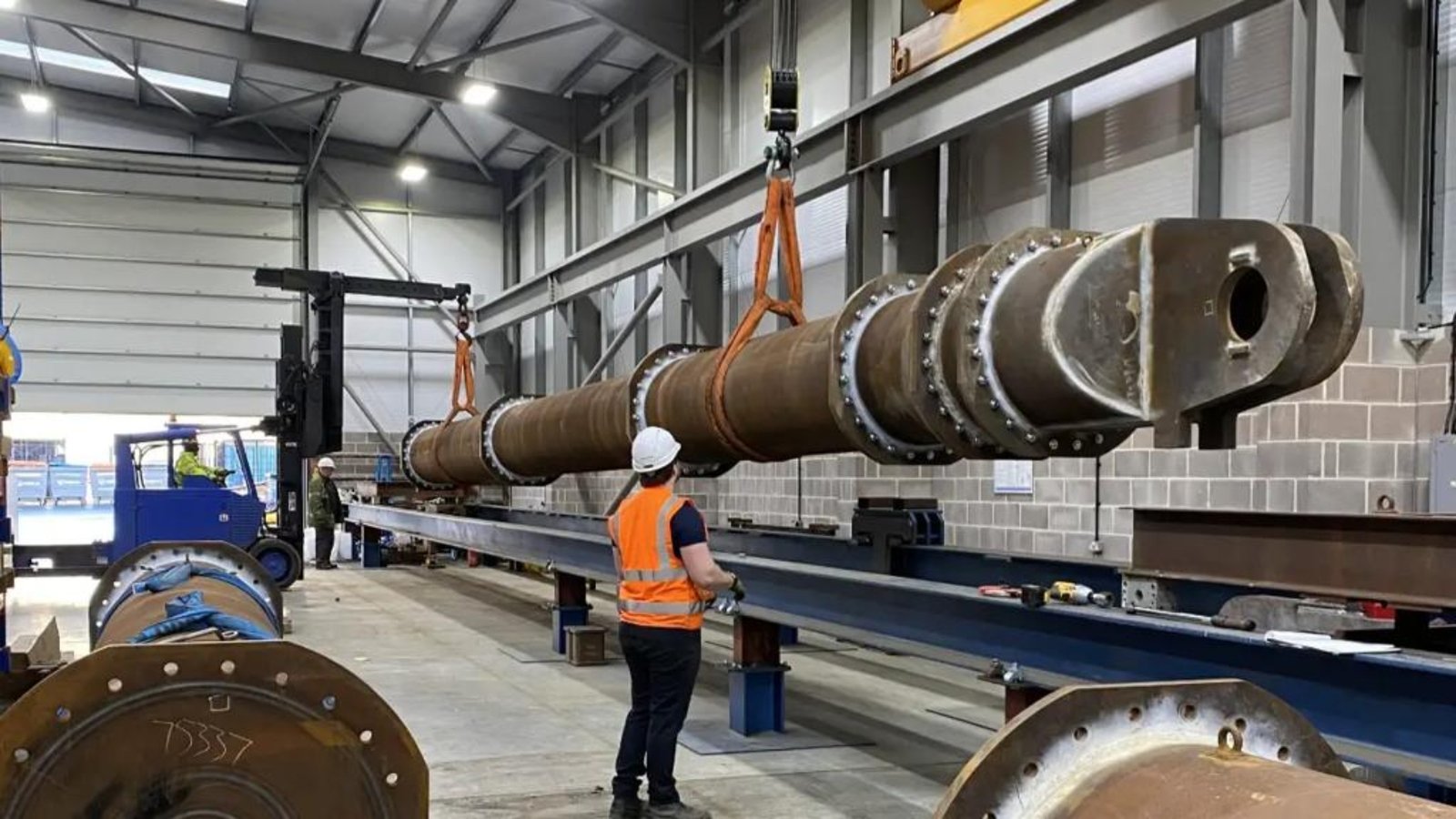
Spreader beams distribute load evenly across multiple lifting points.
Ideal For
- Long structures
- Heavy fabricated assemblies
- Pipes
- Tanks
- Structural components
Benefits
- Better load balance
- Reduced stress
- Improved lifting stability
Factors to Consider Before Choosing Lifting Equipment
Safe Working Load (SWL)
Always ensure the equipment has a Safe Working Load (SWL) greater than the weight of the load being lifted. Never exceed the rated capacity.
Load Weight
Determine the exact weight before selecting lifting equipment. Guesswork can lead to equipment failure and unsafe lifting operations.
Load Shape
Different load shapes require different lifting methods.
Examples include:
- Cylindrical loads
- Rectangular structures
- Machinery
- Steel plates
- Pipes
- Fabricated assemblies
Lifting Environment
Consider the operating conditions, including:
- Indoor or outdoor use
- High temperatures
- Corrosive environments
- Chemical exposure
- Dust and moisture
Lifting Frequency
For continuous industrial operations, choose equipment designed for heavy-duty usage and frequent lifting cycles.
Safety Standards
Always purchase lifting equipment that complies with:
- IS Standards
- ASME Standards
- Customer Specifications
Certified products ensure better safety and reliability.
Importance of Testing and Certification
Every lifting accessory should undergo proper testing before use.
Testing helps verify:
- Load capacity
- Structural integrity
- Material quality
- Weld quality
- Safe operation
Certified lifting equipment provides confidence during critical lifting operations and supports workplace compliance.
Common Mistakes to Avoid
Avoid these common errors:
- Choosing equipment only by price
- Ignoring Safe Working Load ratings
- Using damaged slings
- Skipping regular inspections
- Using uncertified products
- Overloading lifting equipment
- Using the wrong sling angle
- Not following manufacturer guidelines
Maintenance Tips
Proper maintenance extends equipment life and improves safety.
Recommended practices include:
- Inspect before every use
- Store in a dry location
- Remove damaged equipment immediately
- Keep equipment clean
- Follow inspection schedules
- Perform periodic load testing
- Maintain inspection records
Why Choose ER CAD SOLUTIONS?
ER CAD SOLUTIONS is an ISO 9001:2015 Certified manufacturer of industrial lifting equipment, serving customers across India with dependable material handling solutions.
We provide:
- Wire Rope Slings
- Chain Slings
- Webbing Slings
- Polyester Lifting Belts
- Spreader Beams
- Custom Lifting Equipment
- Load Testing & Certification
- Engineering Design Support
- Inspection Documentation
- Custom Fabrication Solutions
Every product is manufactured using high-quality materials and tested to ensure safety, reliability, and long service life.
Conclusion
Choosing the right lifting equipment is essential for safe and efficient industrial operations. By considering factors such as load capacity, operating environment, lifting frequency, and applicable safety standards, businesses can reduce risks, improve productivity, and protect both personnel and equipment.
Partnering with a trusted manufacturer ensures you receive tested, certified, and application-specific lifting solutions that meet your operational requirements.
Whether your industry requires standard lifting accessories or custom-engineered equipment, selecting quality products from an experienced manufacturer is an investment in long-term safety and performance.